History Is Repeating Itself in the Niger Delta Security Failures
- by Elaye, Bayelsa, HSN
- about an hour ago
- 24 views

...The Patterns Are Clear, The Lessons Are Known, Yet They Are Being Ignored, And The Consequences Are Increasingly Dangerous.
HISTORY IS REPEATING ITSELF
We state without hesitation that history is repeating itself. The ongoing failure of national security measures in the Niger Delta, particularly regarding the monitoring of pipelines and oil & gas infrastructure, is due to our inability to study, track, and learn from past experiences.
The patterns are clear, the lessons are known, yet they are being ignored, and the consequences are increasingly dangerous.
THE EVIDENCE: WHAT WORKED BEFORE
During the final years of former President Goodluck Jonathan’s administration, pipeline and oil & gas infrastructure surveillance was strategically decentralized across the Niger Delta states.
This system:
Empowered local stakeholders;
Aligned responsibilities with indigenous leadership;
Created a sense of ownership of national assets.
The results were measurable: Nigeria’s crude oil production stabilized and rose to an average of approximately 2.4–2.5 million barrels per day before May 2015. This was not accidental; it was the direct outcome of a decentralized, community-driven security system that worked.
THE CONSEQUENCES OF DISRUPTION AND THE QUESTION OF ACCOUNTABILITY
Following the 2015 transition to former President Muhammadu Buhari’s administration, this system was dismantled. Pipeline surveillance contracts, as well as other regional contracts under NIMASA, were cancelled, disrupting the structure that had ensured stability in the Niger Delta.
At that time, many stakeholders in the region were invited by the Economic and Financial Crimes Commission to account for their participation under the previous system, primarily due to their support of the former government.
The Forum and Ethnic Nationalities note an important distinction:
Some stakeholders complied, submitted to lawful scrutiny, and remained accountable within the Nigerian state;
Others withdrew into the creeks and reorganized into militant formations.
This divergence is critical in understanding what followed.
The latter group became associated with the emergence of the Niger Delta Avengers. The consequences were immediate and severe: Nigeria’s crude oil production dropped drastically to around 900,000 barrels per day at a critical point.
CLARIFICATION OF THE AVENGERS THREAT AND ROLE OF RESPONSIBLE LEADERS
The activities of the Avengers were largely confined to Delta State, particularly the Escravos River Axis. This limitation was intentional, the result of deliberate actions taken by responsible Niger Delta leaders who refused to allow the spread of economic sabotage.
The meeting highlighted the roles of:
His Royal Majesty, King Michael Ateke Tom JP, who ensured Rivers State would not harbor such activities;
His Royal Majesty, King Dokubo Asari, who opposed the expansion of militant operations to the Kalabari axis;
Chief Victor Ben Ebikabowei, who supported the government’s containment efforts;
Senior High Chief Bibopere Ajube (Shoot at Sight), who took decisive operational steps to prevent spillover into Ondo State and the Southwest by blocking waterways connecting Edo, Delta, and Ondo States;
Chief Michael Jonny of Gbaramatu Kingdom, who publicly clarified responsibilities and accountability of militant leaders during critical media appearances.
These actions were deliberate, coordinated, and executed in the national interest. Had these leaders acted differently, Nigeria would have faced a far greater crisis.
A DANGEROUS NEW REALITY
The very elements that once challenged the Nigerian state are now being elevated, rebranded, and empowered across the Niger Delta under the guise of pipeline and oil & gas surveillance.
They are now positioned as private security operators with better funding, organization, and technological capacity, including night vision drones capable of being launched from vehicles. This development weakens national security rather than strengthening it, placing the state at risk due to reliance on non-state actors. History is likely to confirm this danger.
CRITICAL QUESTIONS THAT MUST BE ANSWERED
We therefore ask:
What becomes of those who stood with the Nigerian state and refused to join destabilizing activities?
What security guarantees exist for loyal stakeholders and communities?
What happens if the current arrangement is restructured or discontinued?
Who will restrain these actors if they turn against the state? Who will stop them if they choose to set the Niger Delta ablaze? These concerns are real, pressing, and grounded in lived experience.
ON COMPLICITY AND SYSTEMIC FAILURE
Certain political actors and elements within the security establishment, past and present, have contributed to sustaining this flawed system. This undermines national security, weakens institutional authority, and creates long-term strategic risks for the Nigerian state.
OUR POSITION: DECENTRALIZATION IS THE WAY FORWARD
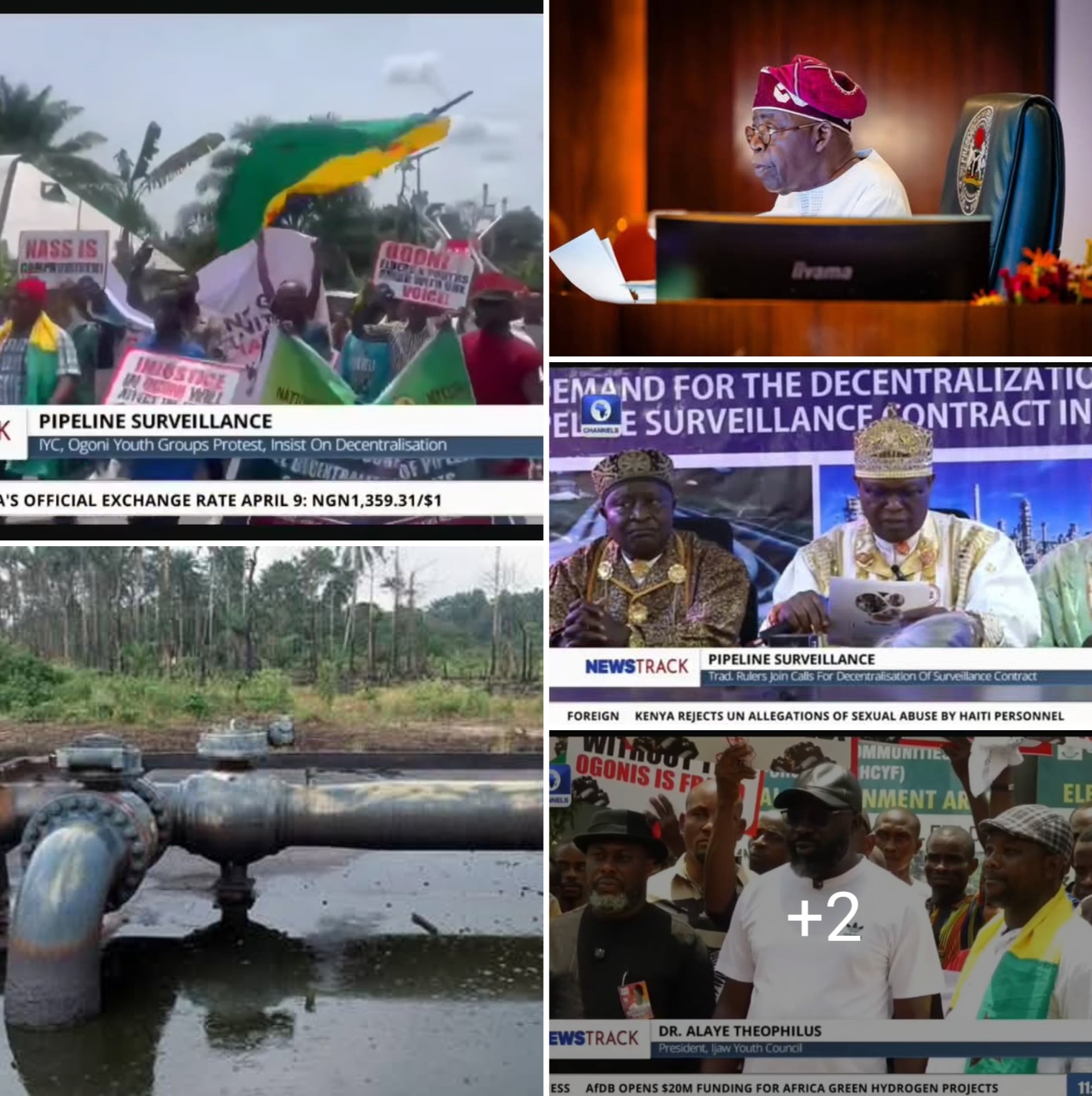
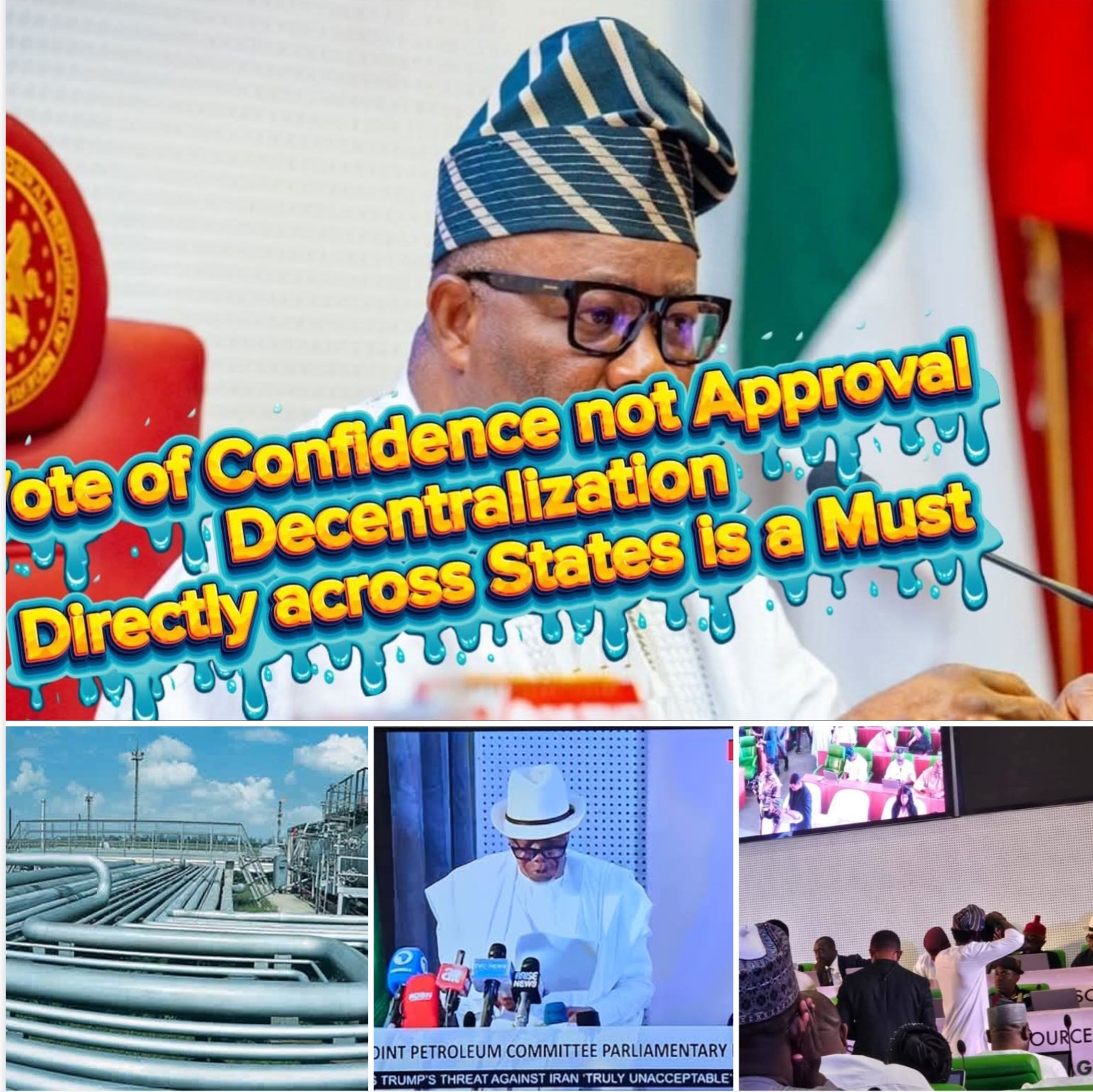
The solution is clear and previously tested: Pipeline and oil & gas infrastructure surveillance must be decentralized on a state-by-state basis within a unified national framework.
Decentralization is not disorganization. It is structured, accountable, and locally grounded execution under national coordination. We have confidence in the Nigerian Armed Forces’ ability to coordinate such a framework effectively.
OUR COMMITMENT TO THE NIGERIAN STATE
We:
Dissociate from any networks undermining the Armed Forces’ integrity;
Affirm that all coordinators must operate strictly under government authority;
Commit to full alignment with national command-and-control structures.
CALL FOR IMMEDIATE ACTION
We call on the President to:
Establish a joint supervisory framework involving security agencies, state coordinators, and recognized community leaders to ensure accountability, operational discipline, and transparency;
Scrutinize claims of operational “discoveries,” especially around known locations such as the Escravos axis.







0 Comment(s)